January 24, 2025 -
August 30, 2026
The Outwin 2025: American Portraiture Today
National Portrait Gallery
8th and G Streets NW
Washington, DC 20001
Now showing:
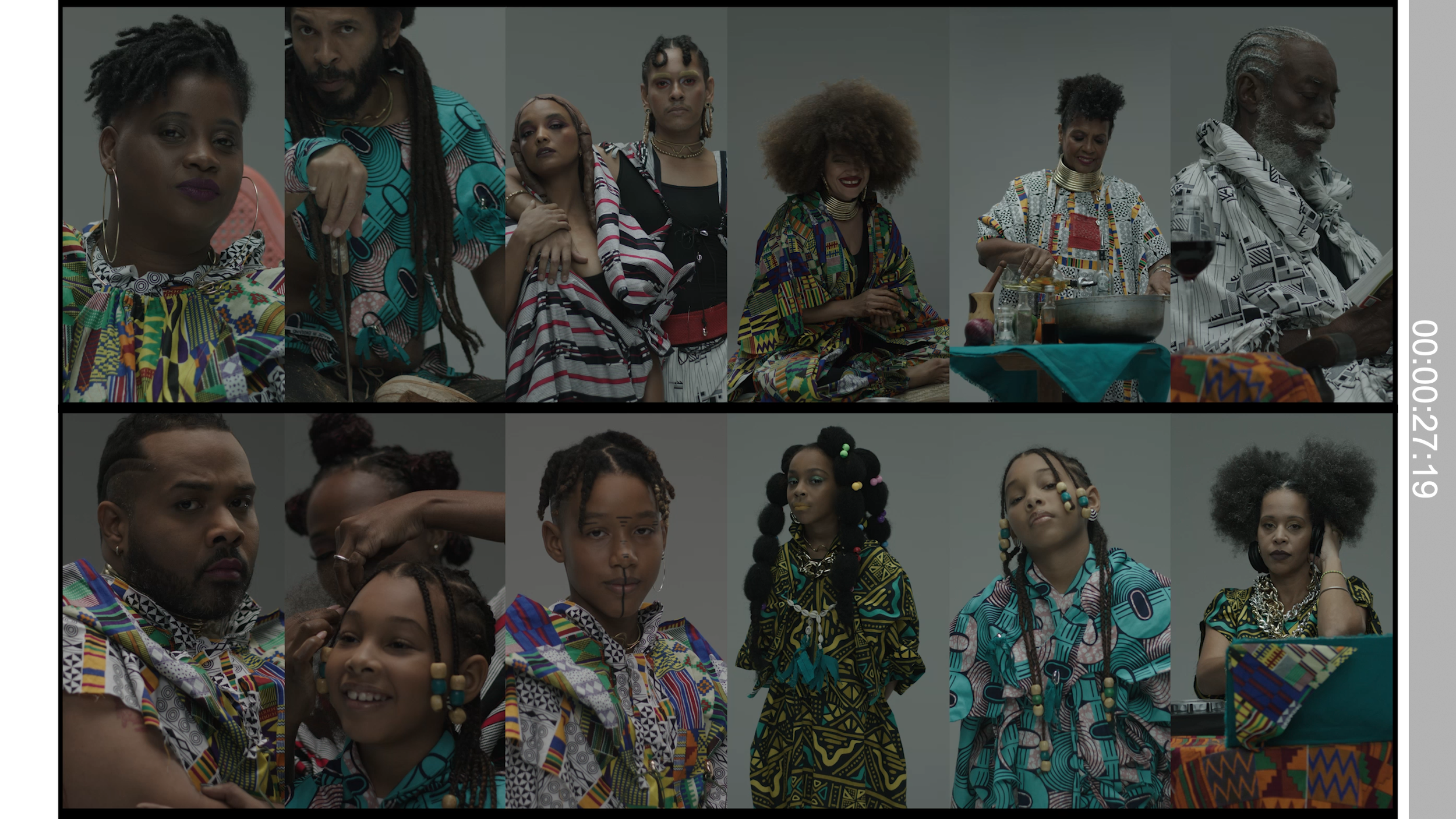
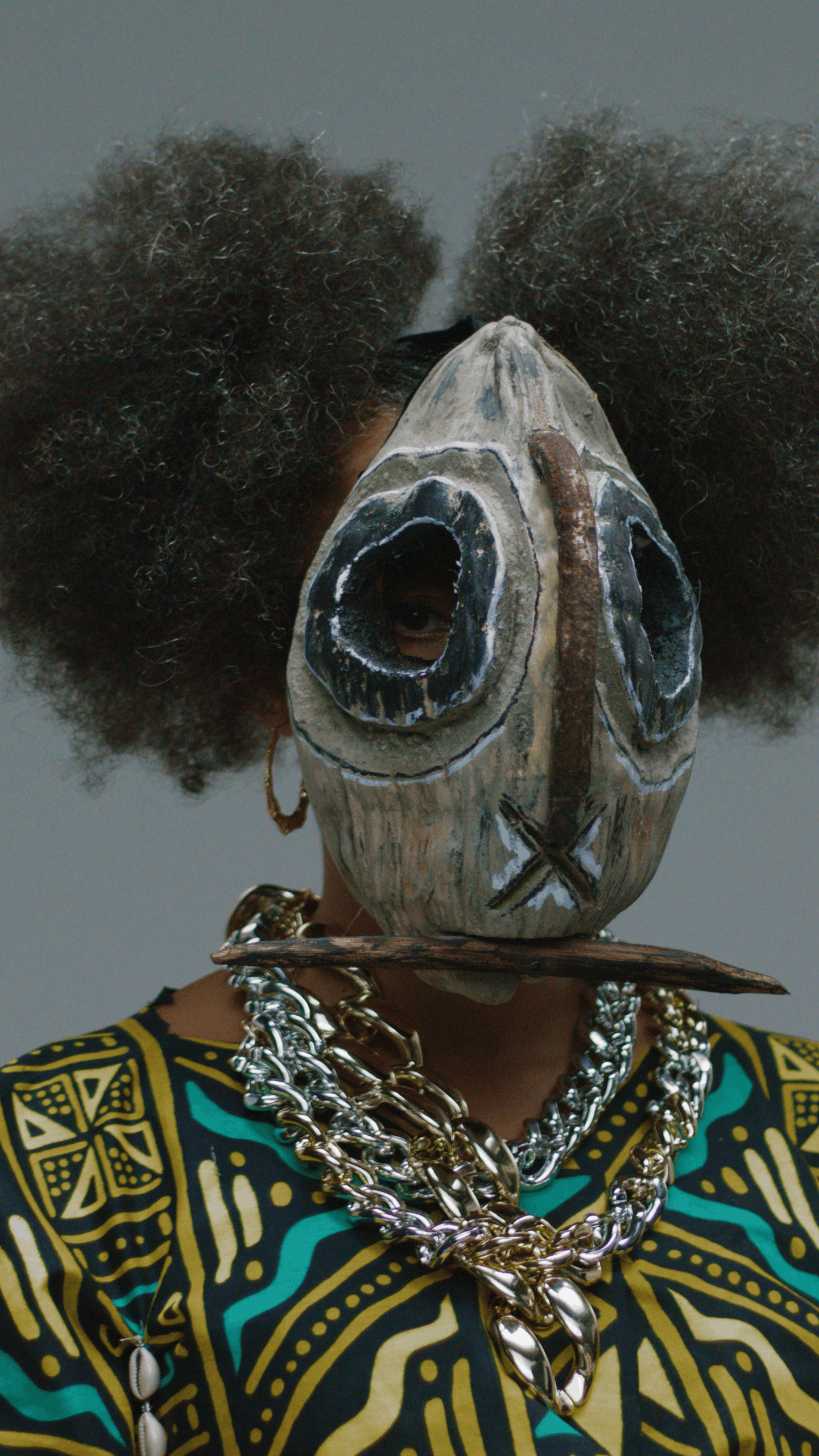
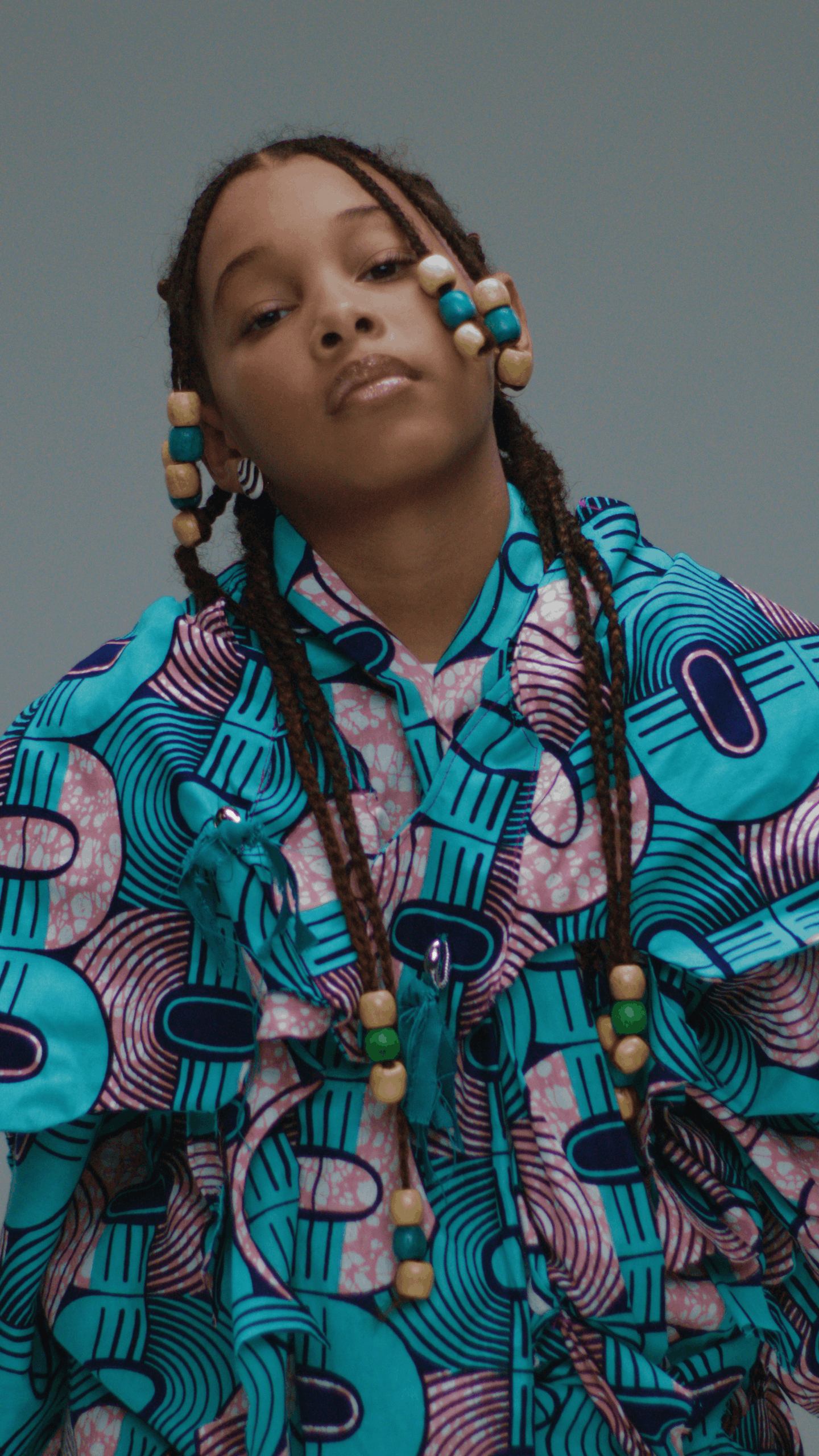
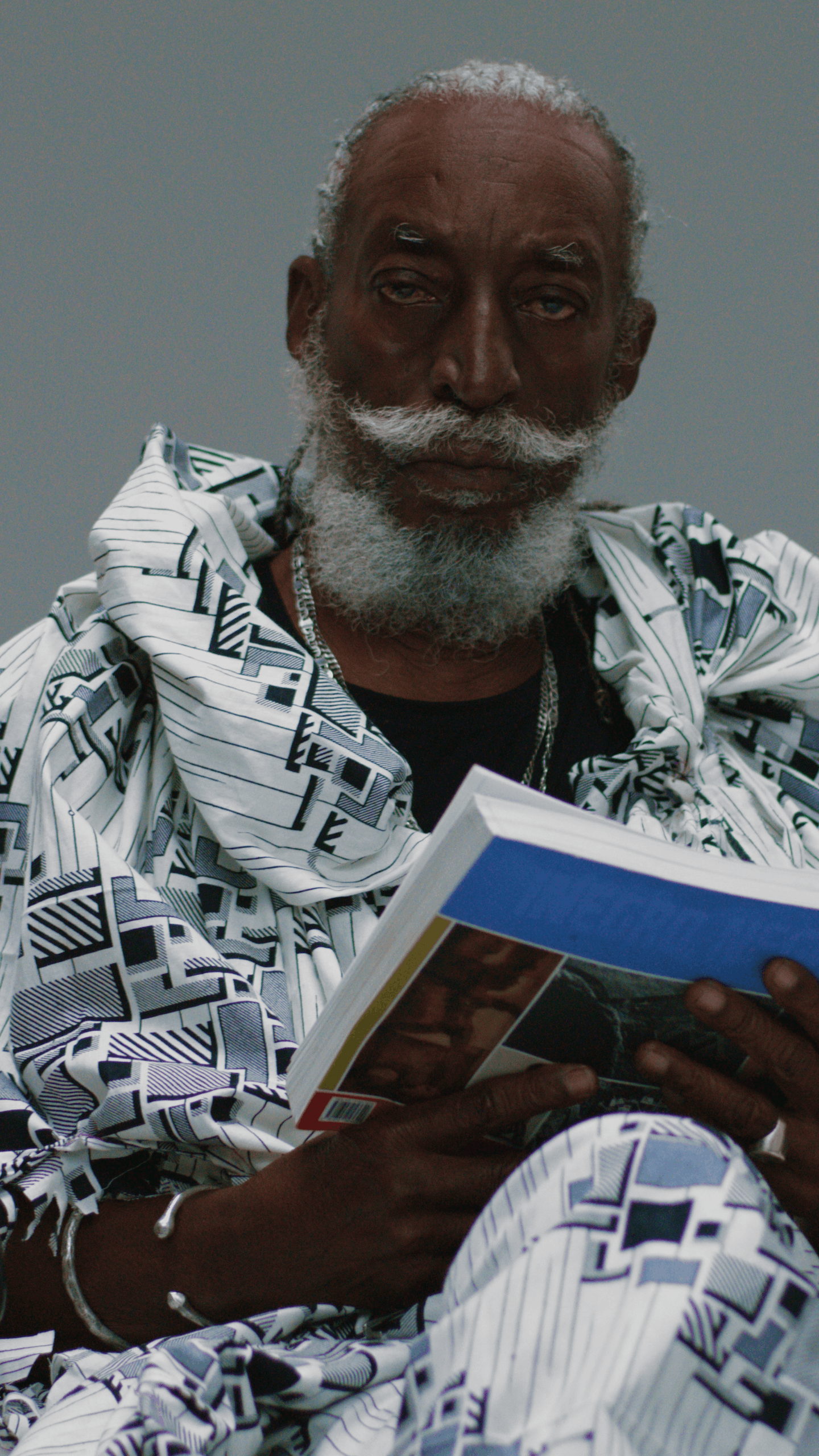
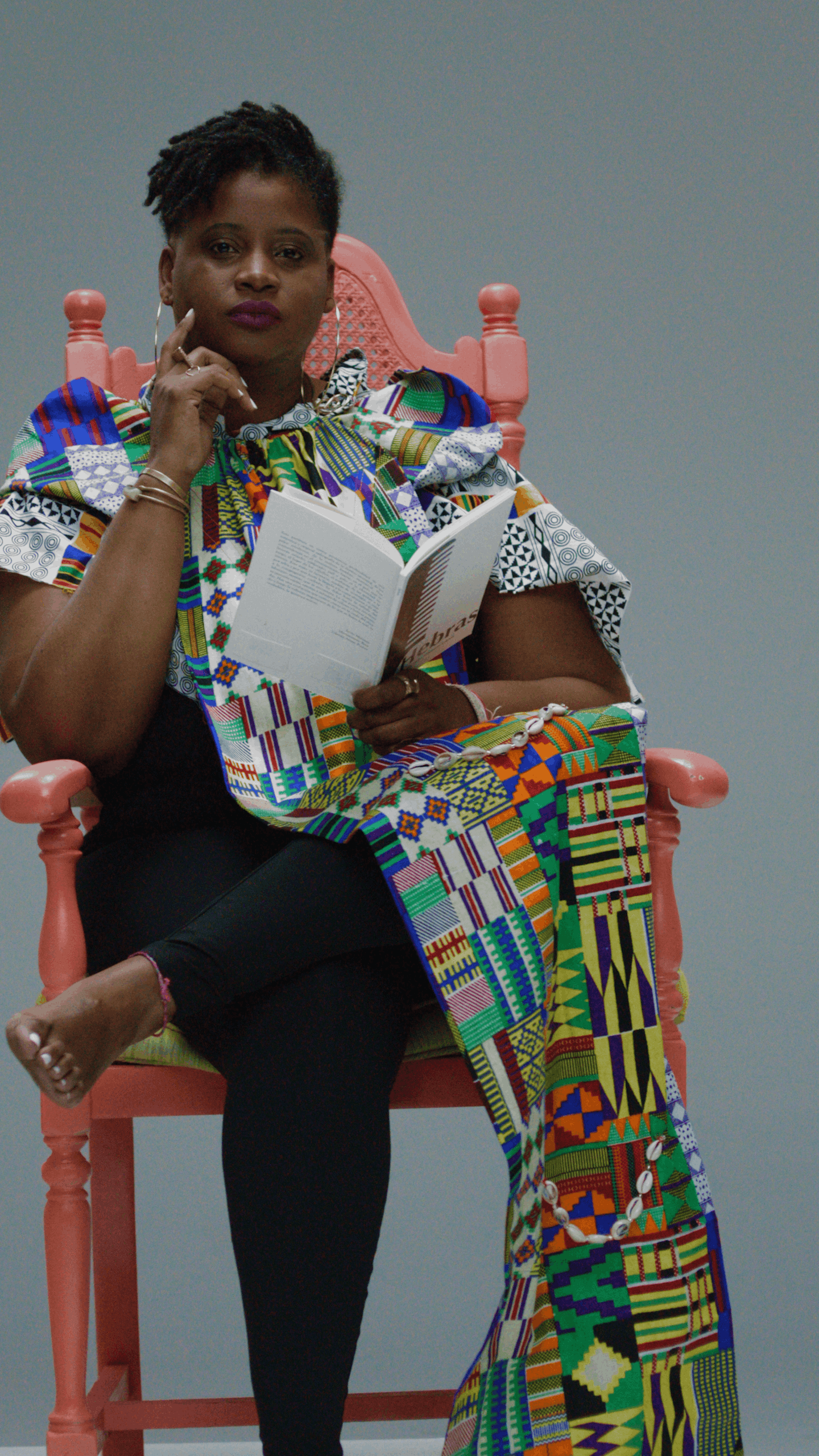
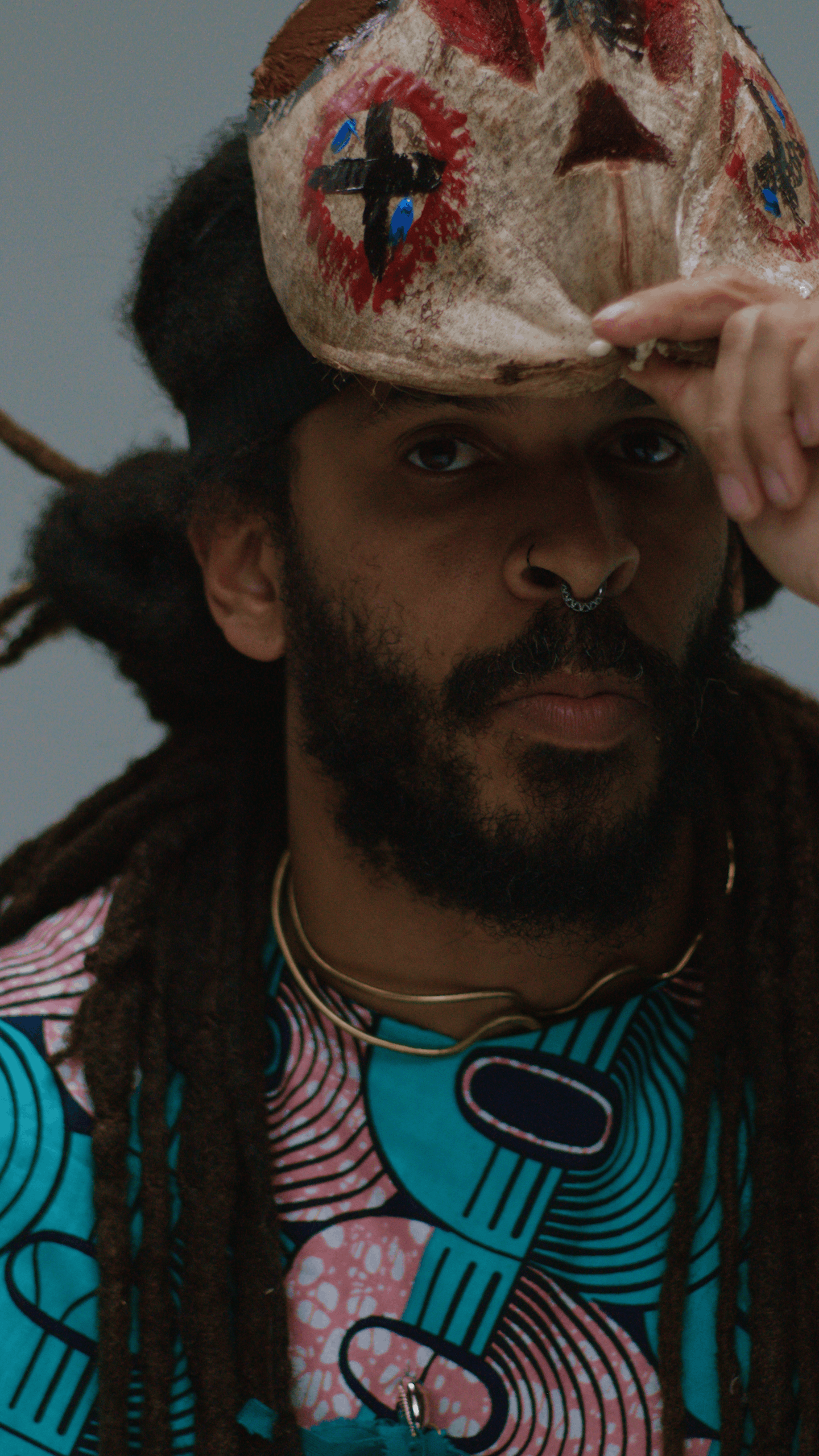
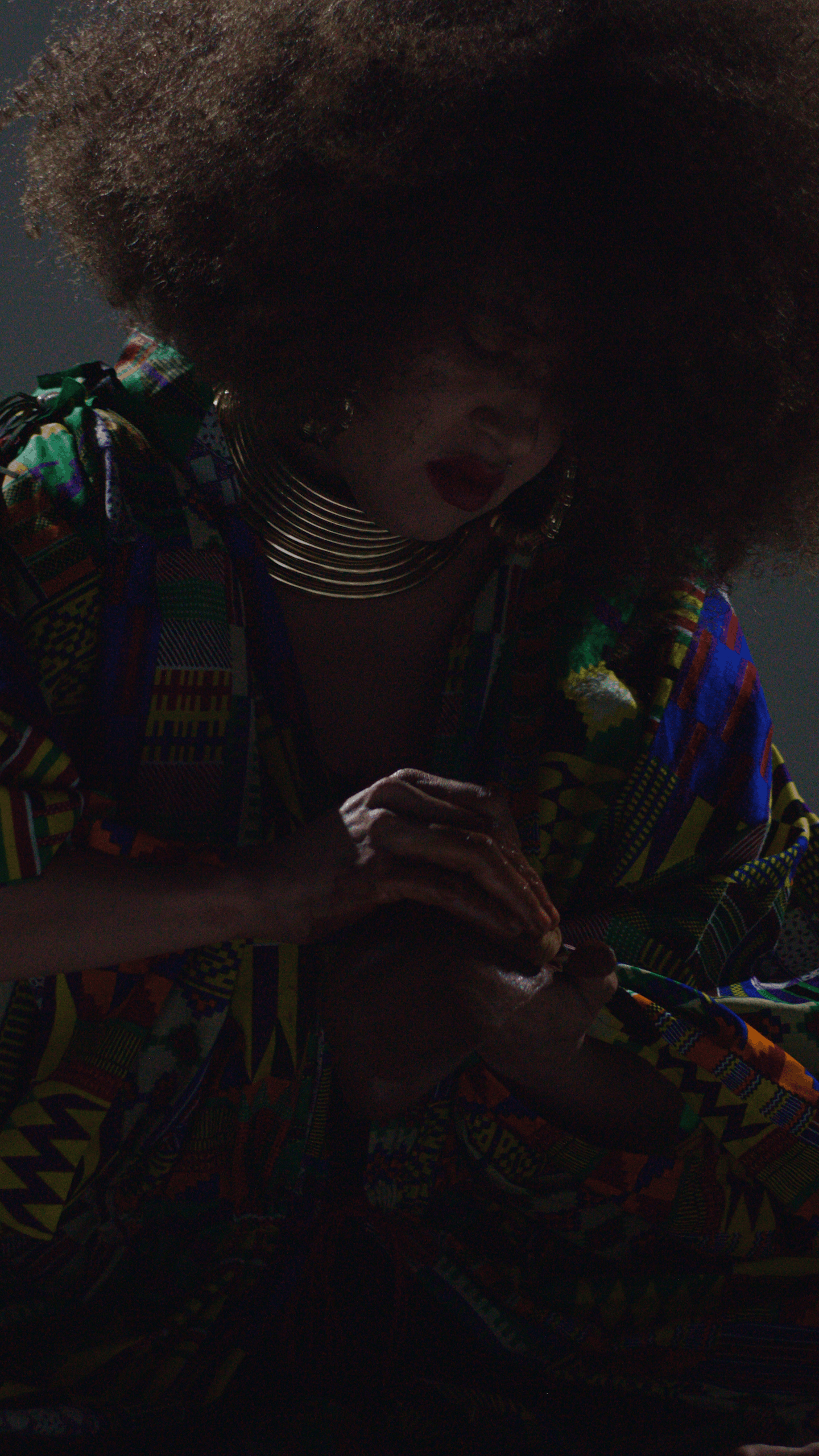
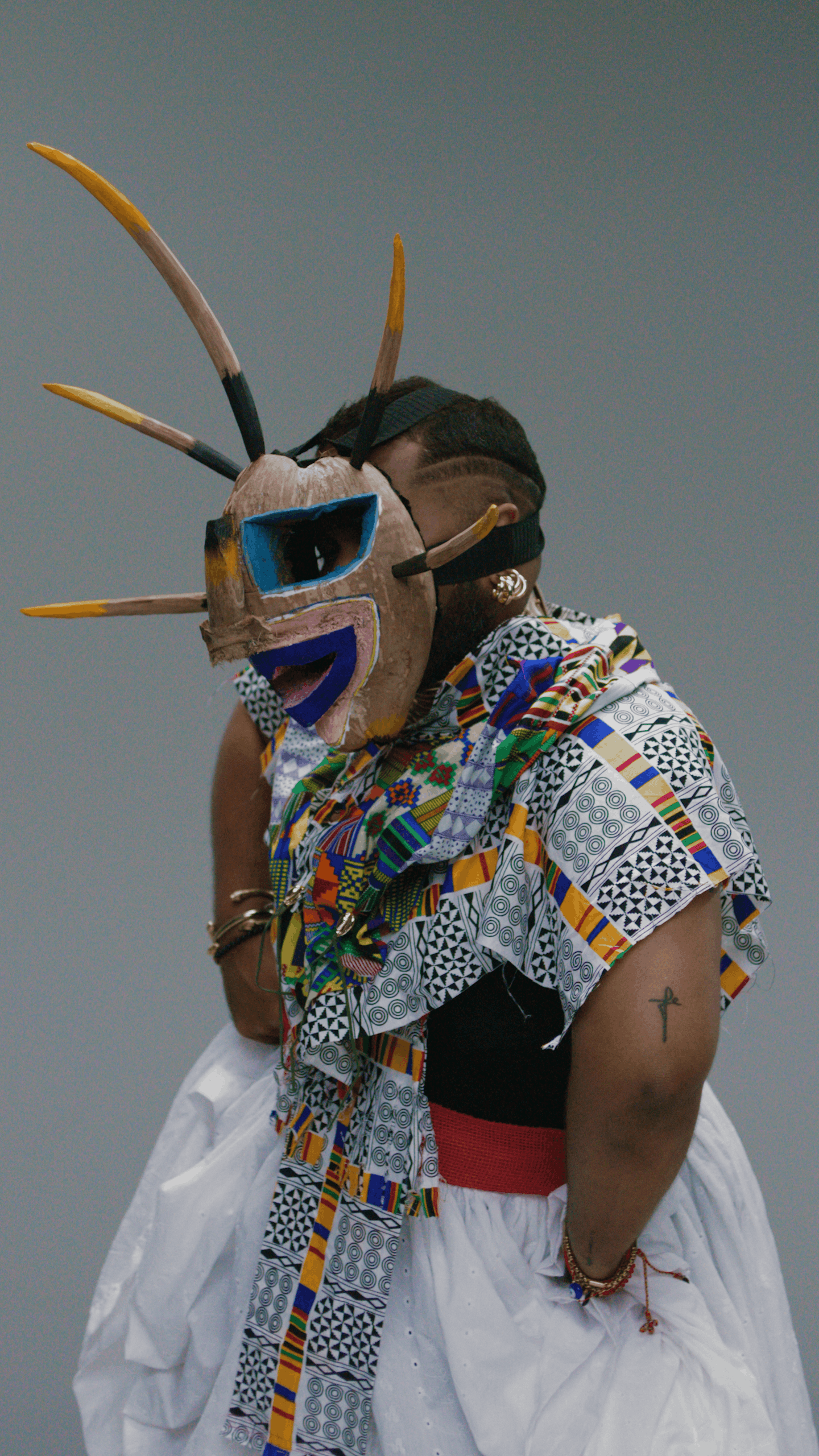
From our hair and our sacred masks. This is the trace of identity in a filmic, multimedia project that speaks from the ancestral hairstyles and those of our generations, it is also sculptures in coconut masks, Vejigantes, in textiles and from the word that tells everything that we are and where we come from. This is our return and our proof of belonging and existence.
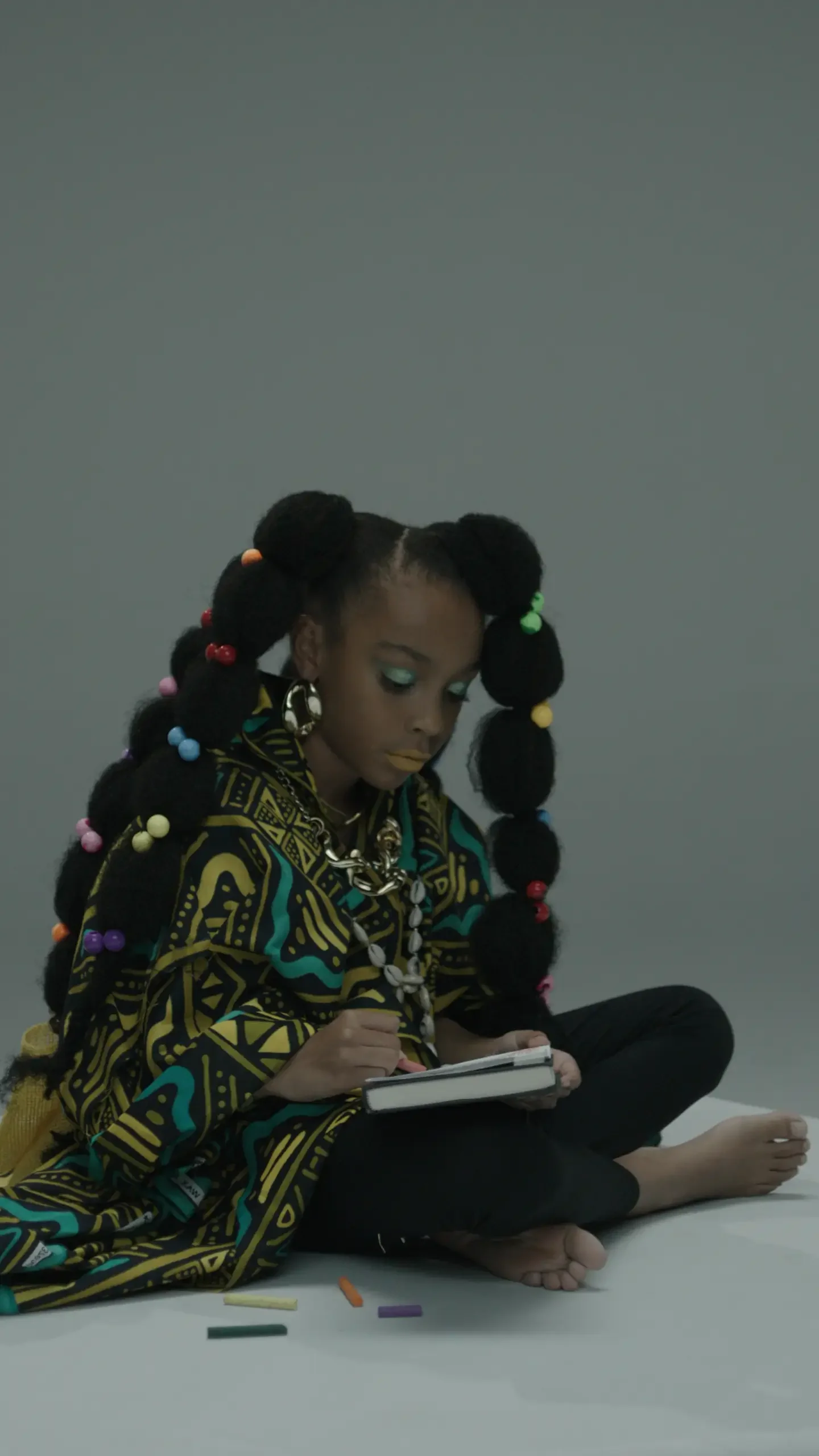
We are 13 with a multitude of ancestors who live in us and who demonstrate the strength of the elders, the genius of the children, we are the beauty and wisdom of the present, the past and the Afrofutura that continues the legacy.
- Juan Pablo Vizcaíno Cortijo & gloriann sacha
To make visible the diversity of Afro-Puerto Rican and Afro-Caribbean identity and expression today.
Portraiture is one of the oldest forms of artistic expression. It is the visual representation of individuality, which is why it has been linked since the first civilizations to the exaltation of life and memory. However, it has also been one of the artistic expressions that has most served classism and its project of differentiation, since the portrait is not only the visual capture of the physical features of the person being portrayed, but has included, in many cases, details of their social, economic, and political position, their environment, and their psyche.
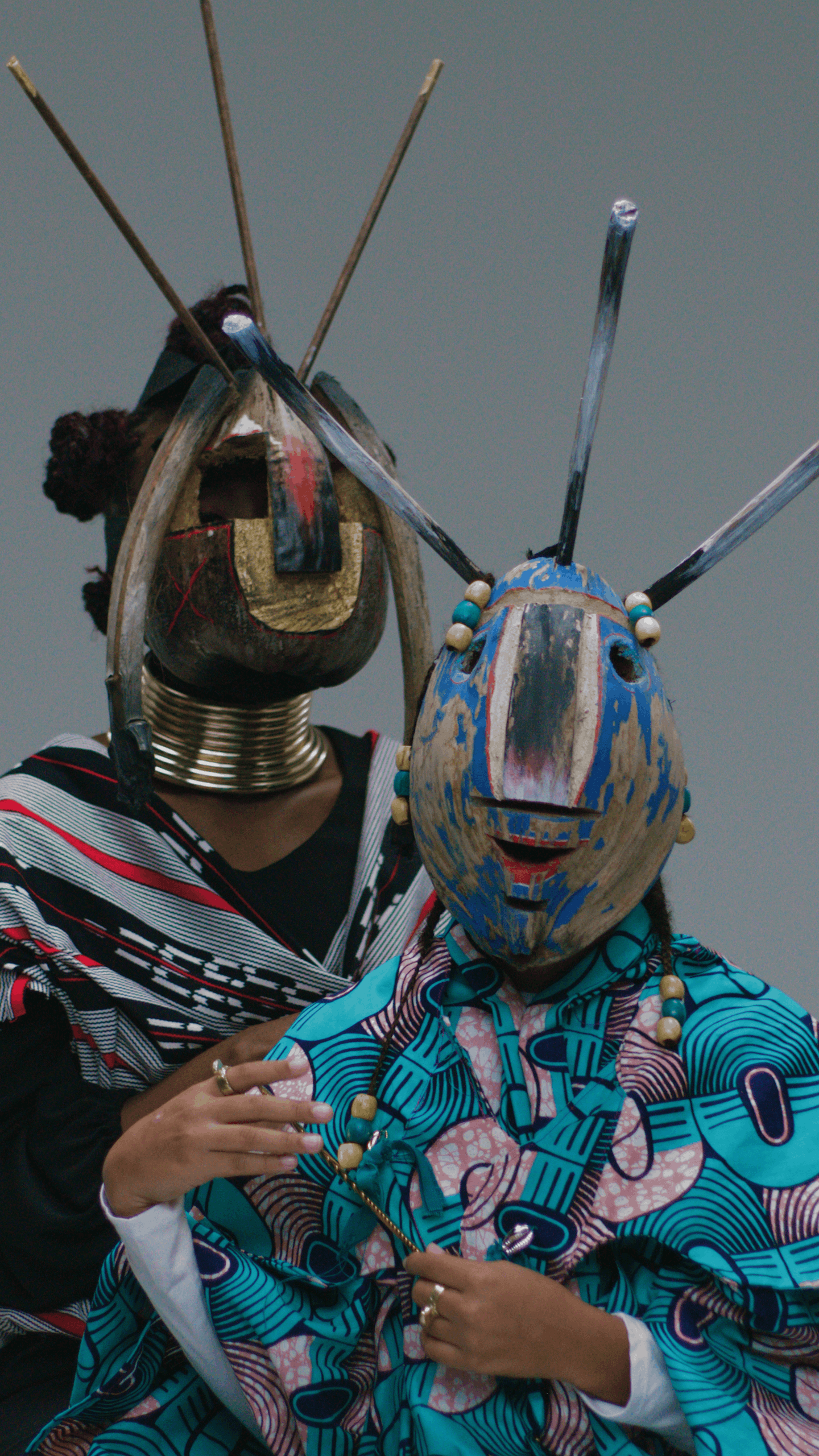
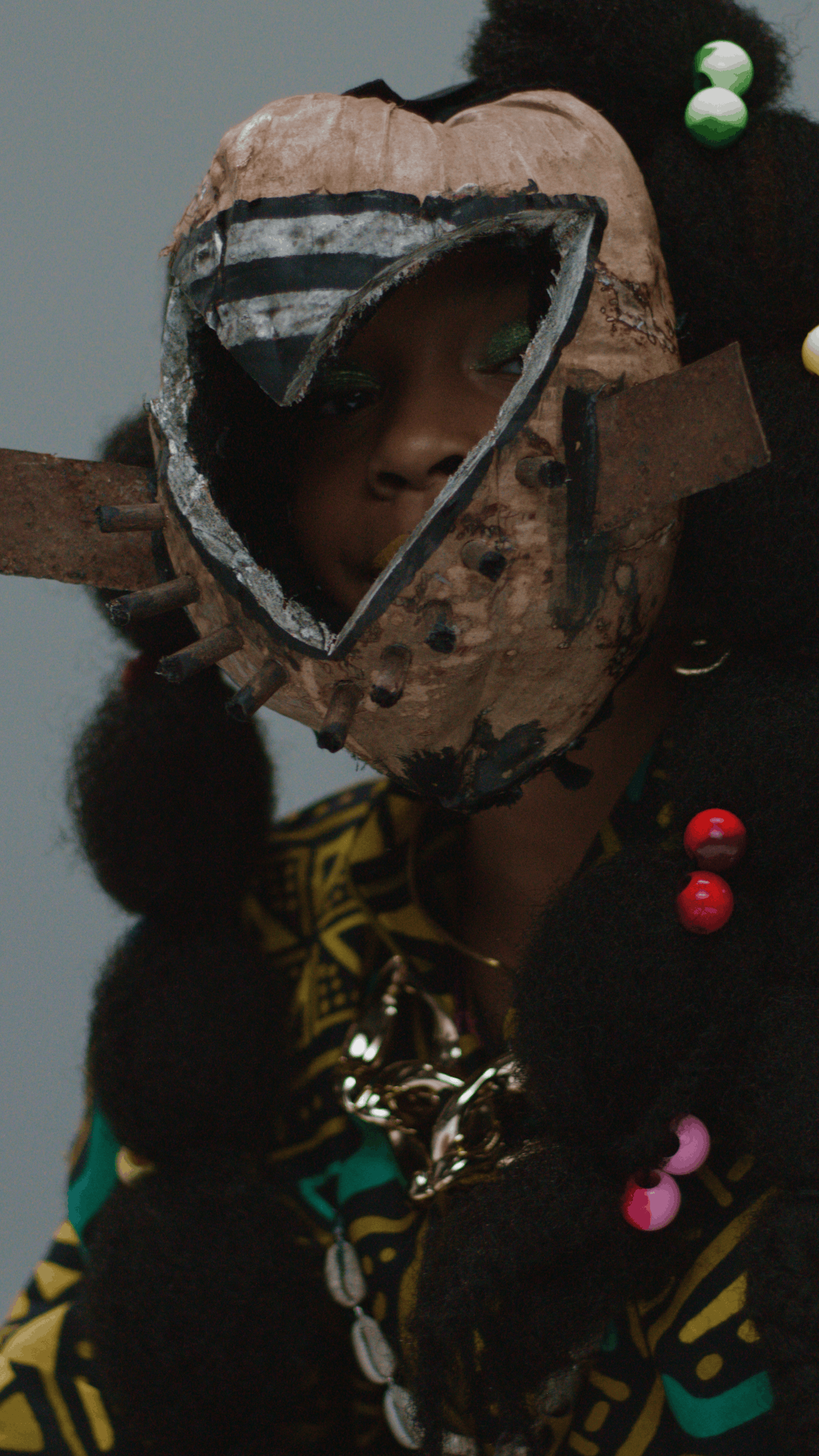
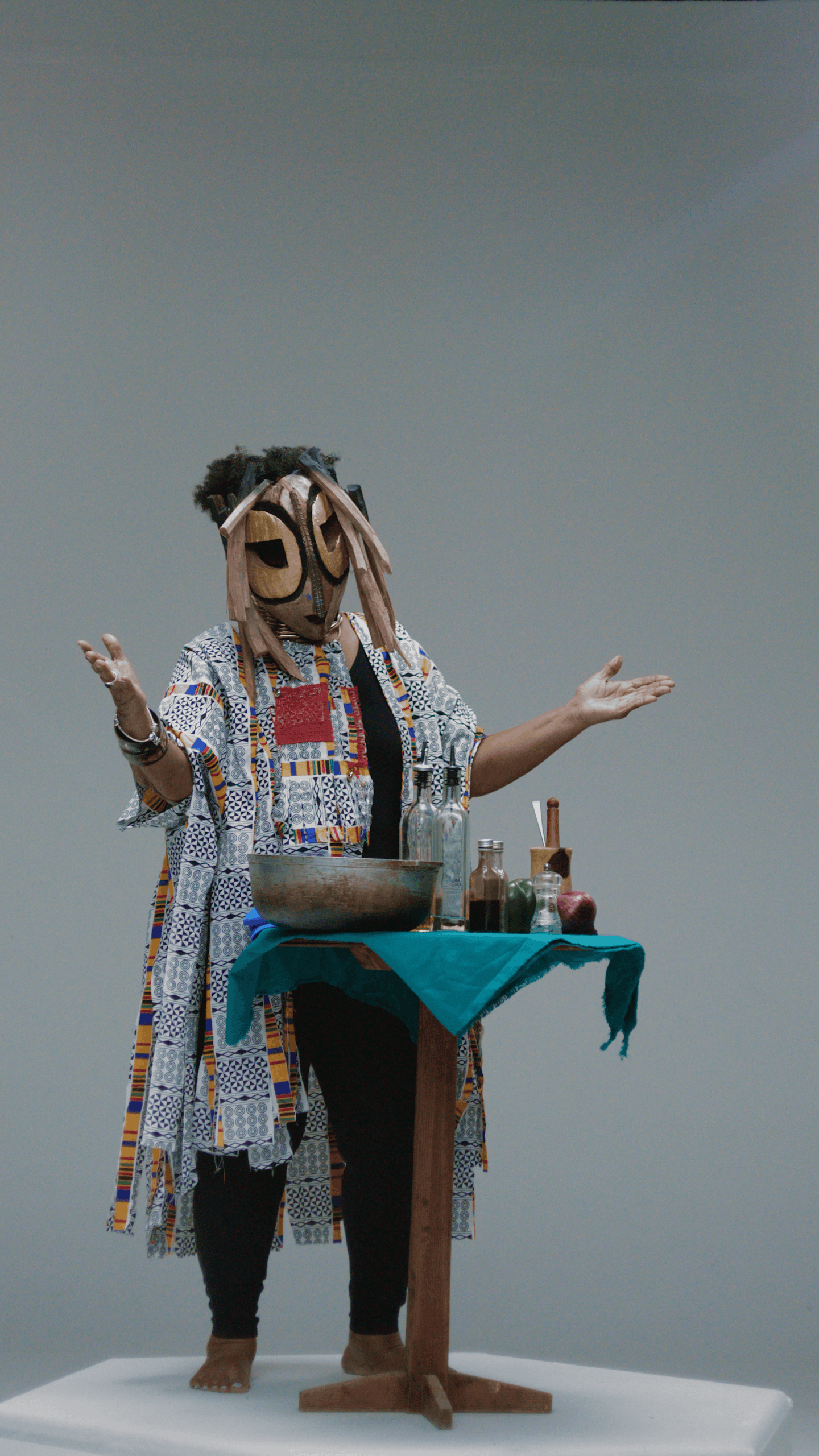
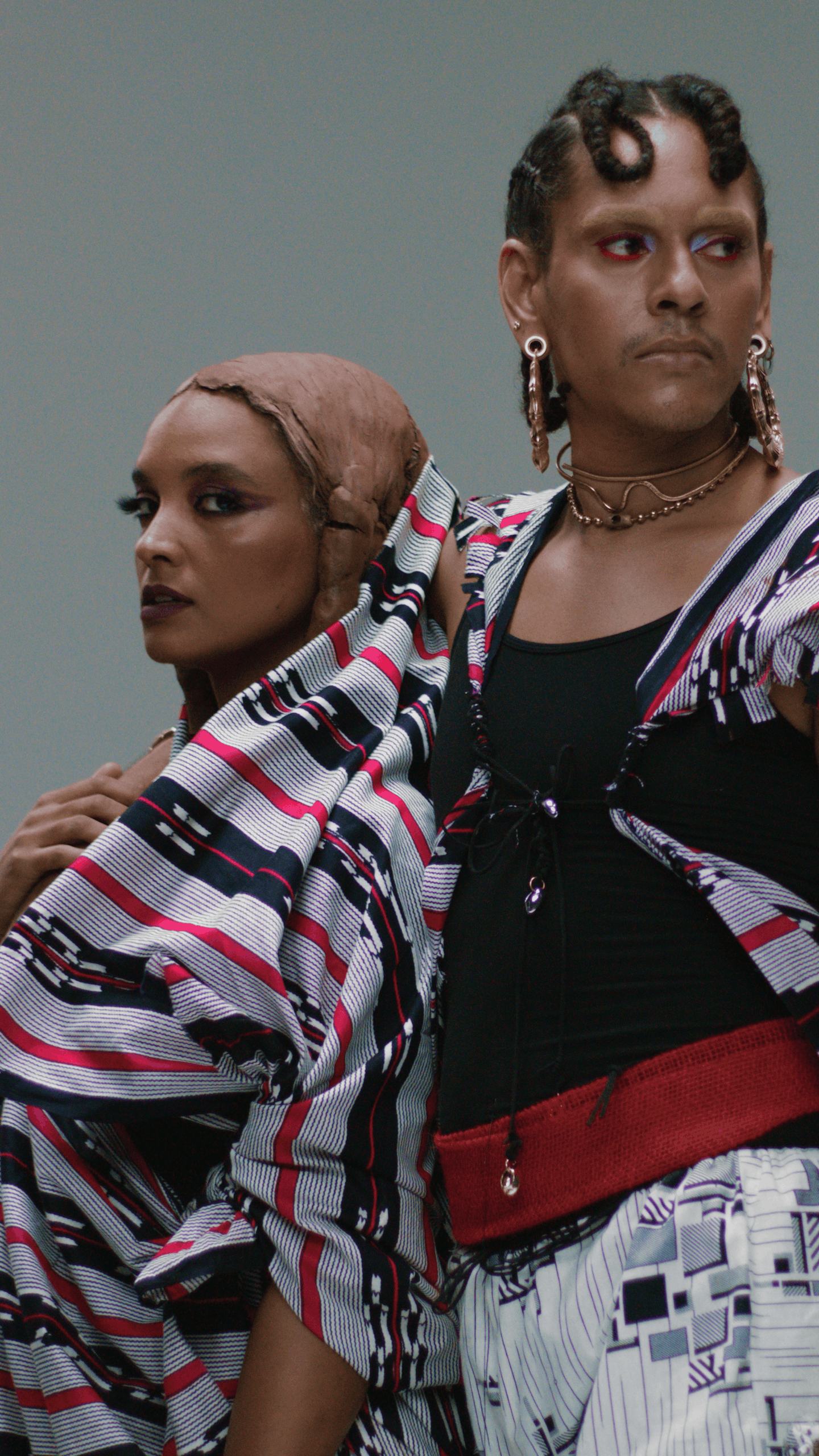
A project by
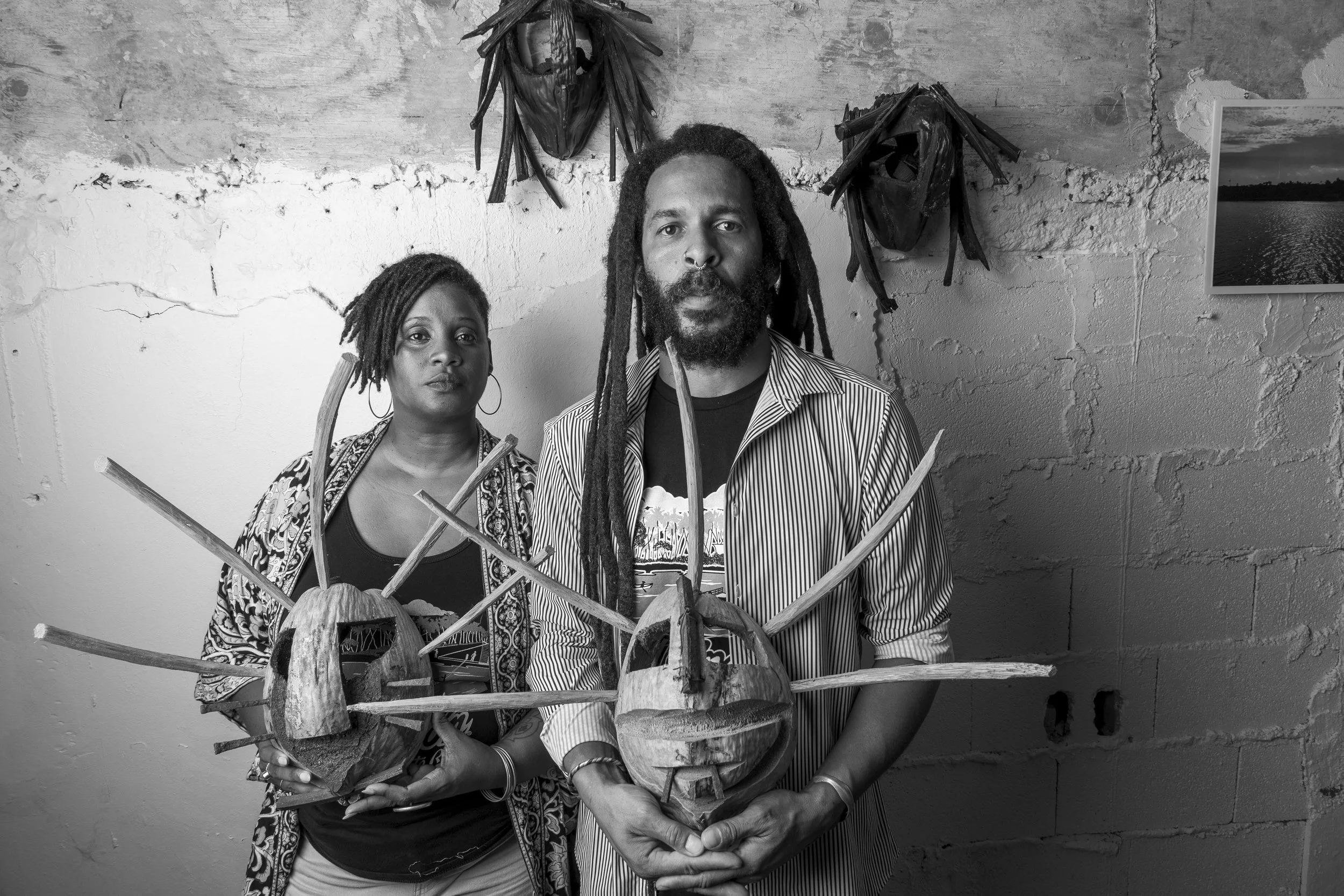
Juan Pablo Vizcaíno Cortijo
Raised on the banks of the Rio Grande Loíza and its estuary, Juan grew up inspired by the beauty of nature, especially the mangroves, the river, and the sea. He also grew up inspired by cultural manifestations. Juan saw the picturesque and symbolic character of the vejigante as a defense of the magical town of Loíza. Juan began to carve vejigantes, following in the footsteps of the master artisans of Loíza. Juan Pablo, in addition to carving Vejigante masks, started his artistic work at the age of 13, cutting hair and making designs with a razor, machine, and scissors.
gloriann sacha
afrofeminist artivist. writer. communications strategist. founder. Cangrejera.
Gloriann Sacha Antonetty Lebrón is an Afro-Puerto Rican writer, communicator, and artivist. She is the founder and editor of Revista étnica, the first multimedia platform and magazine in Puerto Rico to make visible and positively represent black communities. Her art encompasses literature, spoken word, collage, turbans, and altars.
tribute
I do not know the names of my ancestors
but I feel their roots
sprout from my follicles
and through my pores...
silky hair
raw
in bamboo groves
scandalous
under a cloudy chaos
of clayish skein
humid and blackish amazon.
a touch that does not hurt
and that builds
weavings of strong strands
of goddess girls.
potency
hair adds to us
and multiplies our face.
touches and caresses
respect and protective care
that provoke
safety and laughter... [hee-hee]
“Pass me the number one clip, no, the number two”
or better yet “Gave me a fade, or a blowout” that sounds like hip hop or improv soneos of Maelo...
hair standing on end
revolted
of rough touch
protector
patriarchal root
courageous macho
who can comb
wash
untangle
breaking schemes
of those who say no, that's not for males
hypnotizing touch
soothing
that gives away hairstyles
on imperfect routes
but which in any case
reflect
confidence,
admiration:
the pride
of the daughters.
mythology anchored in the
Boca del Chorro
Sweet and salty
piece of River
black curly hairs
strands of a black woman.
many jungles
woolly
curled slopes
braided map
hungry twilights
tree trunks
strong and alive
elegant neighborhood
[Loíza]
Trickster thorns
Kinky
Labyrinth
Mangrove creature
barrunta bay
releasing songs to the old wind
dancing
levitating
holding on by the hair
loosening the braids
against the current
I rebel
I run
I fight
I run
I fight...
I am free...
pielo
Vejigantes
yes!
that celebrate the unerasable
fortune and legacy
of the tribe.
La esperanza de Loíza
This composition was created and born as a creative idea of Juan Pablo Vizcaíno Cortijo as a "loiceño". Loíza has a strong influence of Irish culture on its catholicism. Loíza's catholic church is named after Saint Patrick. When we were working on the musical piece that would be the base for my spoken word and poetry, Juan Pablo had the idea to integrate a Gaita sound. Another strong factor to include sounds from Ireland is that Juan Pablo, as part of the research for the project, was the strong influence and relation that Pedro Albizu Campos had on the independence of Ireland when he was living in Boston, and the ideas and writings that he shared with independence leader James Connolly. With all those ideas and knowledge, we invite one of the most important musicians of our generation, Héctor "Coco" Barez, to create music that fuses bomba rhythms with Irish sound, scratches, and marching sounds that reflect our African beauty and resistance, especially the Vejigante (African mask heritage and culture) .
"La Esperanza de Loíza" by Héctor "Coco" Barez, created for the audiovisual piece by artist Juan Pablo Vizcaíno and Gloriann Sacha Antonetty Lebrón:
Barez uses the Bomba genre as a bridge between the past and present, intertwining traditional elements with contemporary sounds. The piece begins with the Hoyomula rhythm, accompanied by DJ scratches and Sacha Antonetty's verses, establishing a dialogue between ancestral heritage and modernity.
Religious syncretism is present through the image of the clover, symbol of the Holy Trinity, and its connection with the celebration of Saint Patrick, patron saint of Loíza in the Catholic tradition. This Irish influence is reflected musically with the incorporation of the flute and violin, which provide a Celtic nuance to the composition.
At the climax of the song, Barez introduces the Seis Corrido, a traditional bomba rhythm characteristic of the Loíza community. This segment reinforces the sense of march and struggle of the black community, masterfully represented in the work. Antoinette Rodríguez's voice provides a tone of pride and hope, highlighting both what has been achieved and what still remains to be conquered.
This piece is a powerful manifestation of Loíza's resistance, identity, and cultural heritage, fusing musical and visual elements in a vibrant and moving tribute.
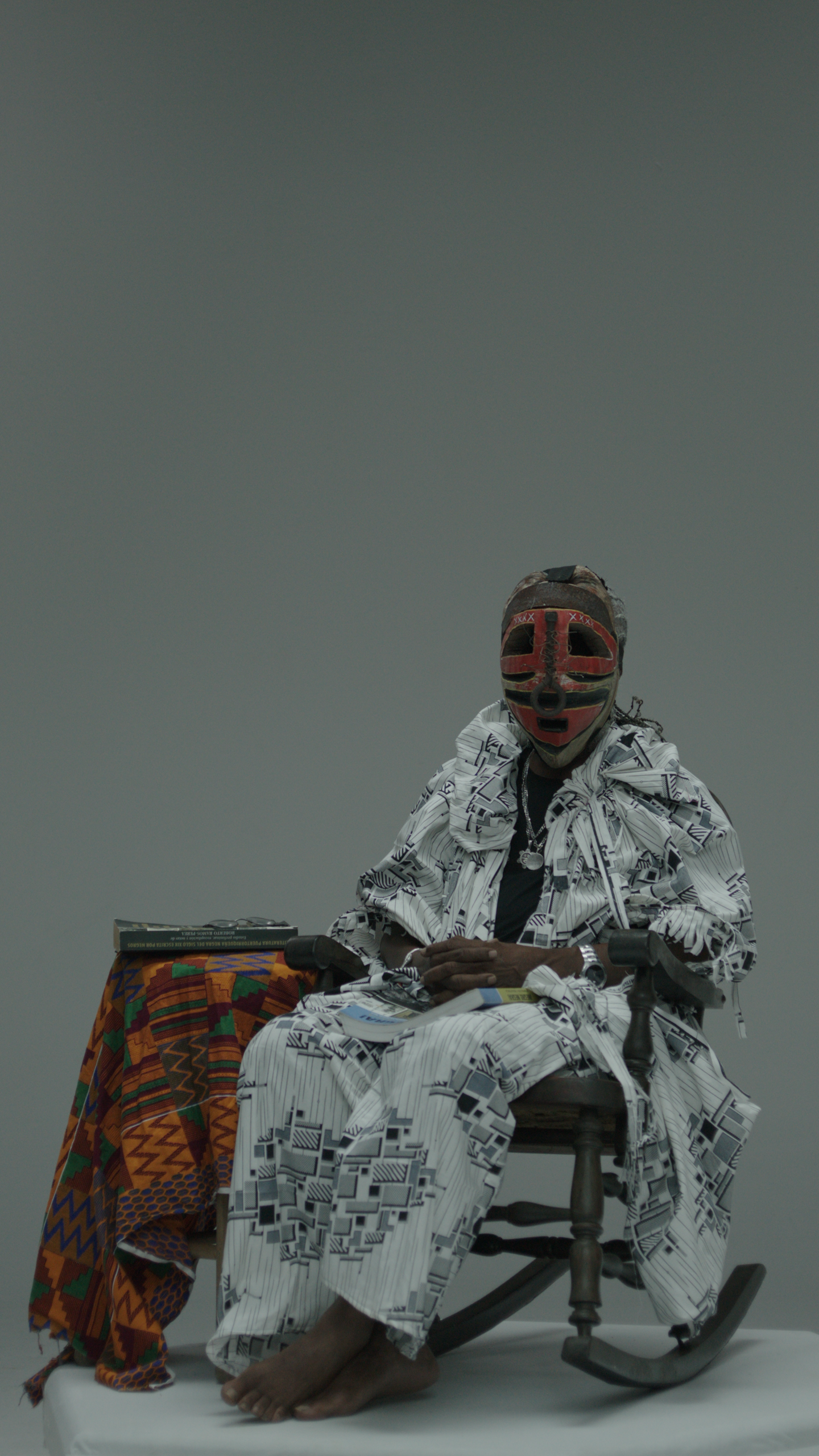
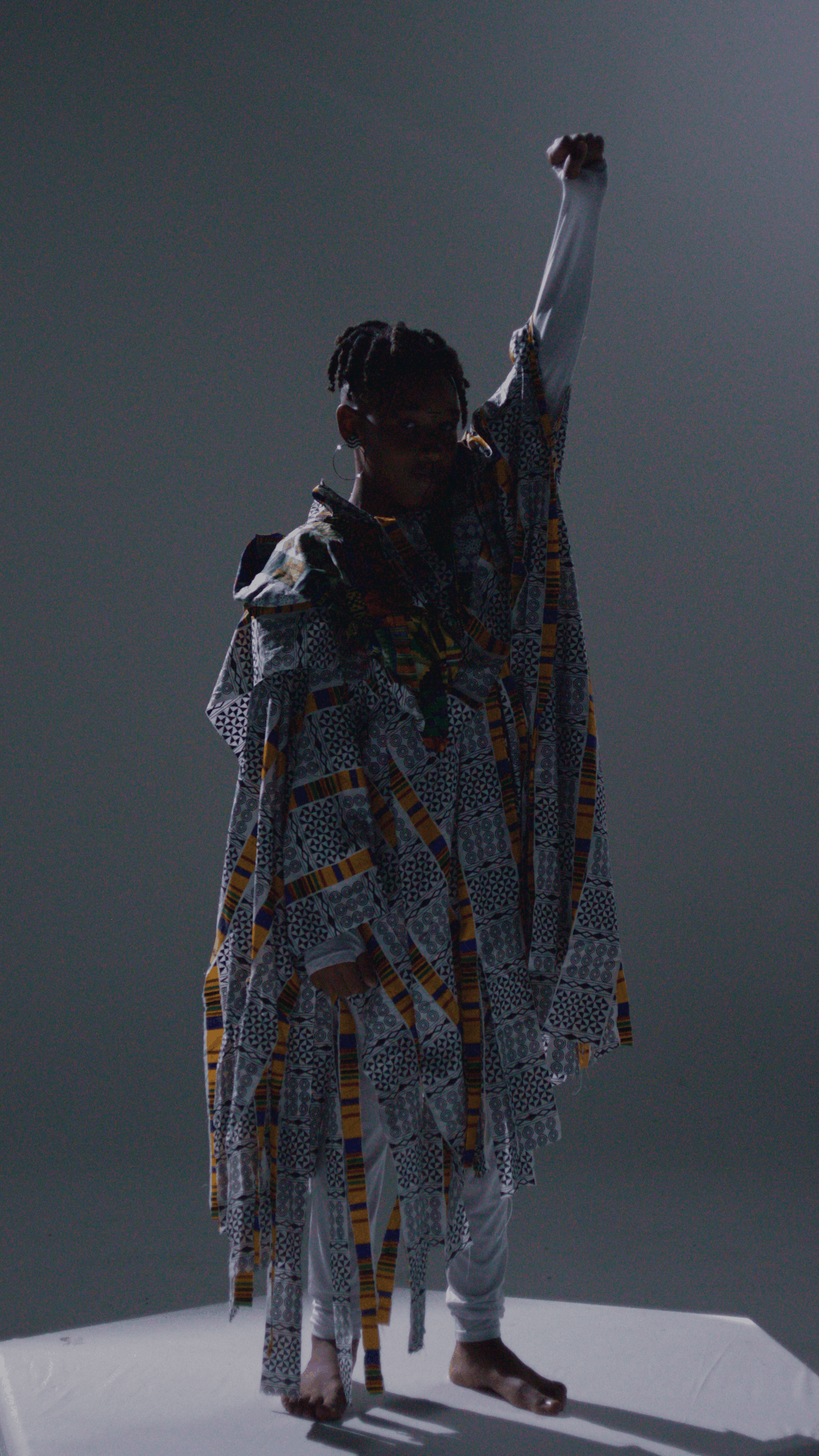
This exhibition and these pieces have multiple exhibition possibilities. We visualize them in an exhibition room in Museums that allows for 12 individual digital screens in which each of the screens are seen as a piece of art with the characters in movement and a sound in unison, worked by Hector "Coco" Barez, one of the most important percussionists in Puerto Rico today. In addition, this exhibition includes multiple visuals with wide projection in the room and "mapping" in digital high definition. The exhibition proposal includes the collection of poems by Gloriann Sacha: Hebras, integrating poetry with Juan Pablo's sculptures of vejigante masks, videos, and other transmedia proposals such as sound, and African textiles in Haute couture pieces made by fashion designer William Murphy. The production team consisted of producer Julietta Rodríguez, director Arí Manuel Cruz, cameraman Eduardo Mariota, and editor and production and sound expert Andrei Neimick. Other black and Afro-descendant artists were part of the project, such as stylist and braider Rosa Sosa, and makeup artists Joan Allende and Janixa Rivera.
The first showing of this exhibition will be at the Smithsonian's National Portrait Museum as part of Outwin 2025: American Portraiture Today beginning January 24, 2026 in Washington, DC.

